FAQ
Q1. What is the core function of endscope wire?
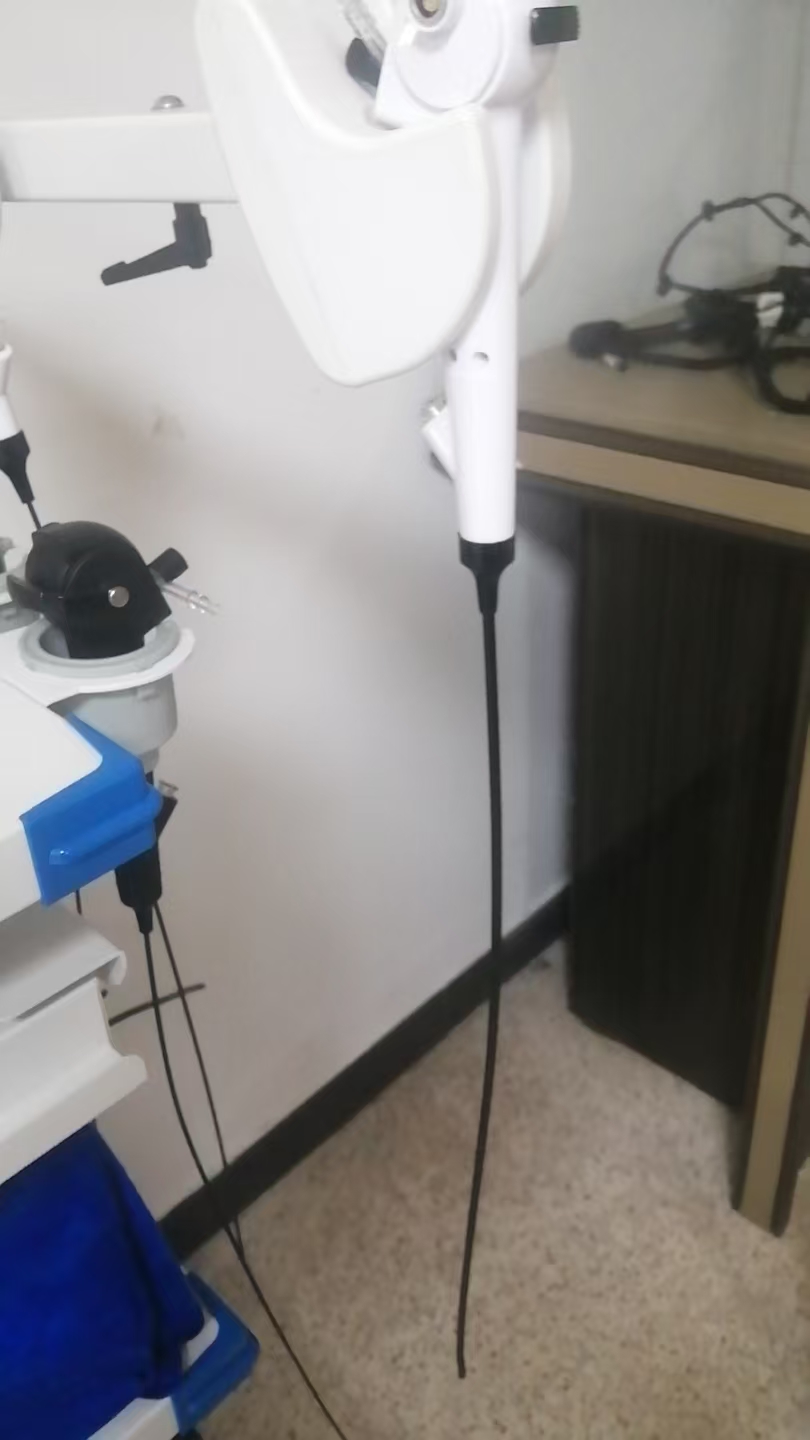
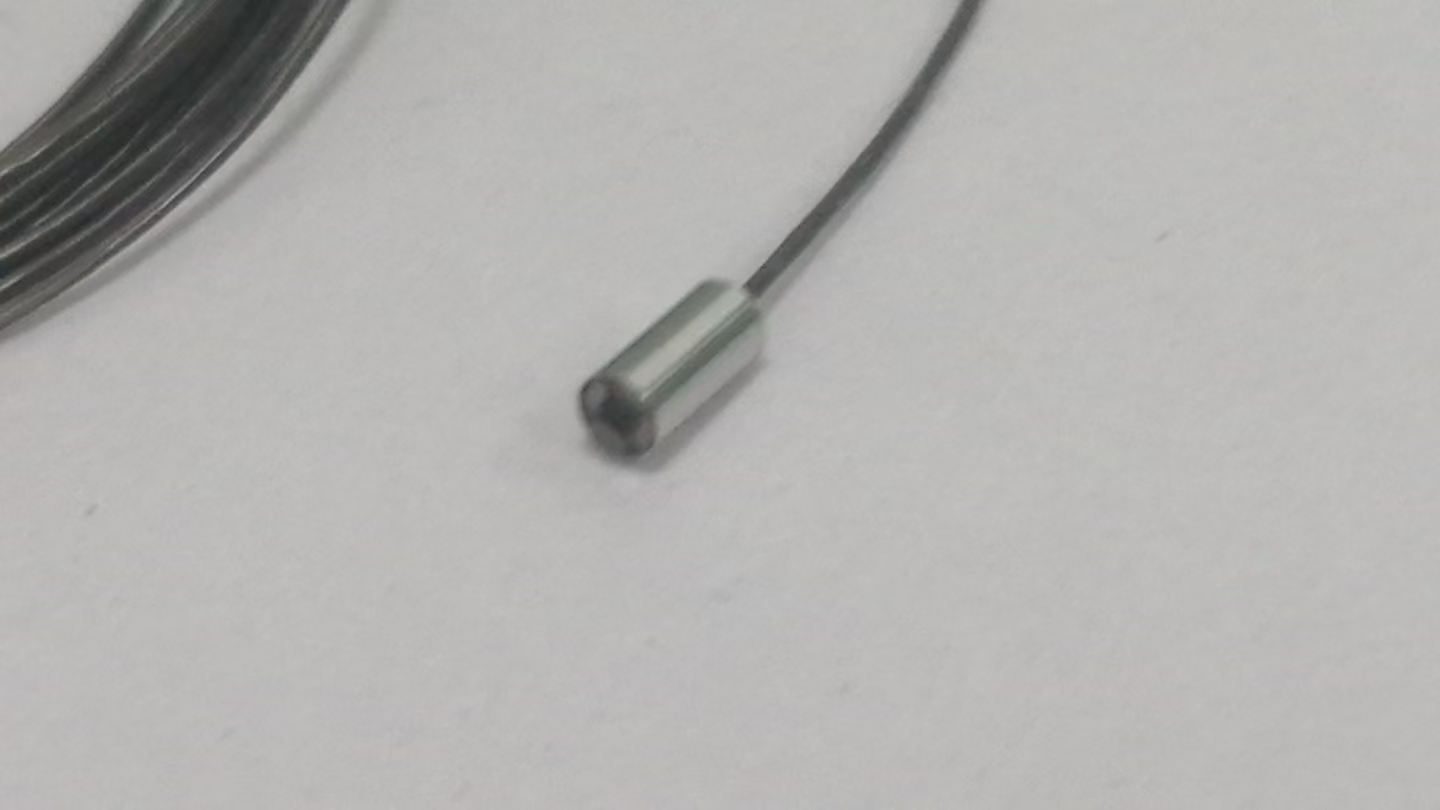
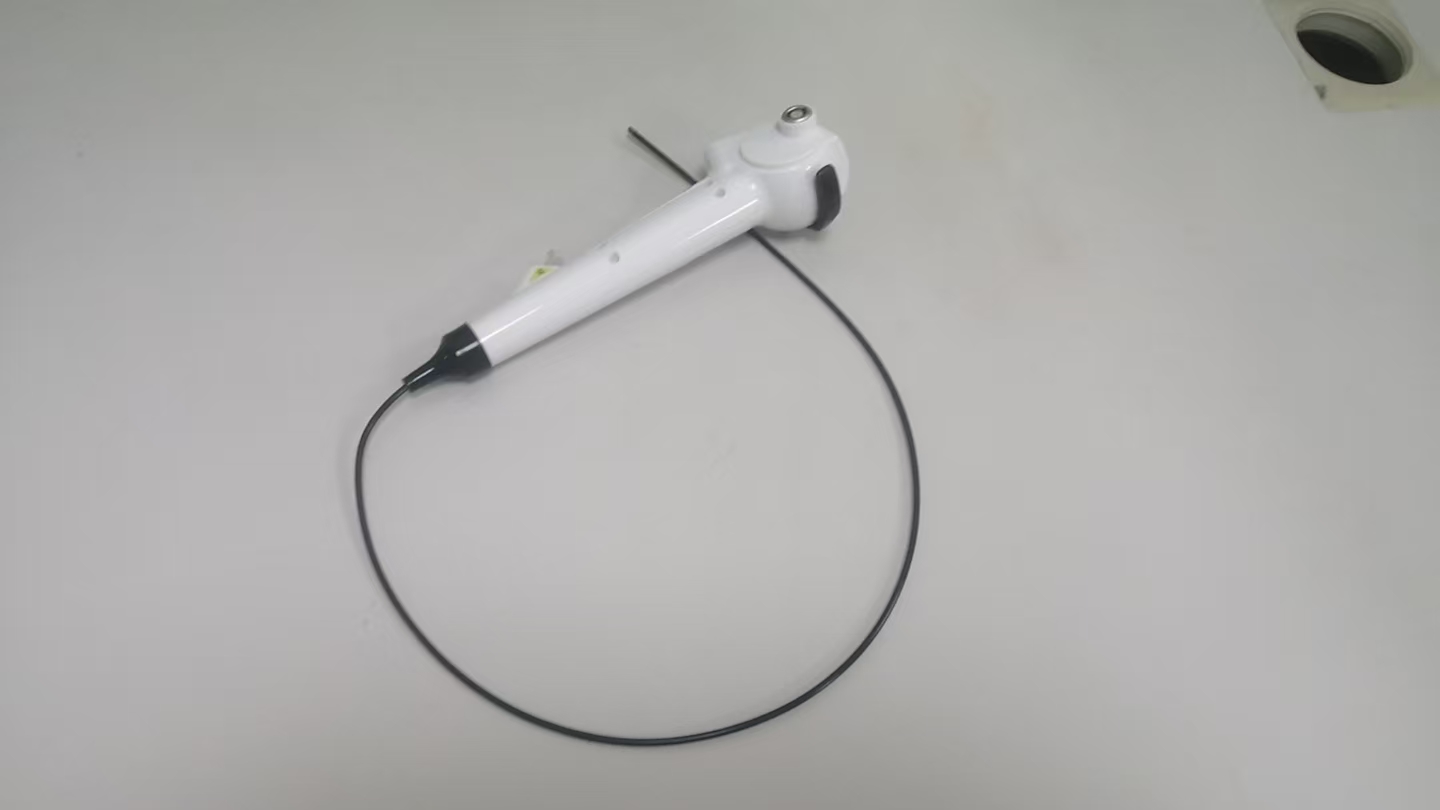
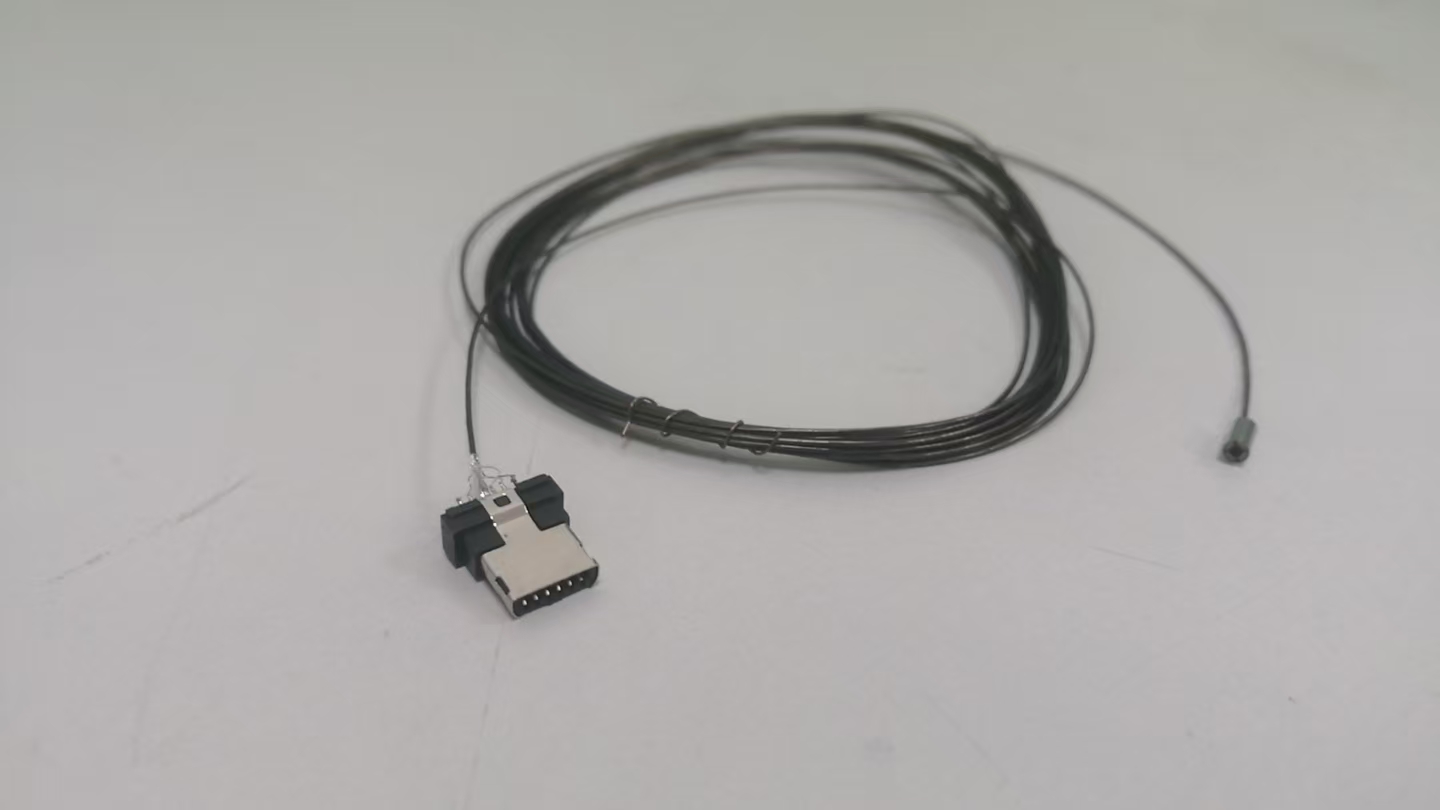
A1. Endoscope wire serves as the transmission channel for power, signals(image, data) and control commands between the endscope's probe and the host system. It also provides mechanical support for the flexible insertion tube to ensure stable opertion inside the human body.
Q2. What are the key structureal components of endscope wire?
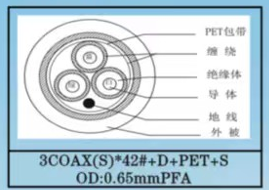
A2. The Typical structure includes :
1. Concuctor : copper or copper alloy strands for power/signal transmission(tinned copper for corrosion resistance)
2. Insulatuin layer: Medical-grade PTFE ir FEP, with high temperature resistance, chemical stability and biocompatibility.
3. Shielding Layer : Braided stainless steel or copper foil to resist electromagnetic interference(EMI) and ensure signal itegrity.
4. Outer Sheath : Medical-grade polyurethane (PU) or silcone, with flexibility, wear resistance and biocompatibility to meet human body contact requirements.
Q3. What are the common failure modes of endscope wire and how to prevent them?
A3. Common failures and prevention methods
1. Conductor Breakage : Caused by repeated bending. Prevention : USE multi-strand flexible conductor and optimize bending radius design.
2. Shielding Layer Demage : Results in EMI interference. Prevention : Use double-layer shielding structure and strengthen the outer sheath's wear resistance.
3. Sheathe Cracking : Due to sterilization aging,。 Prevention: Select sterilization-resistant materials and control sterilization cycles.